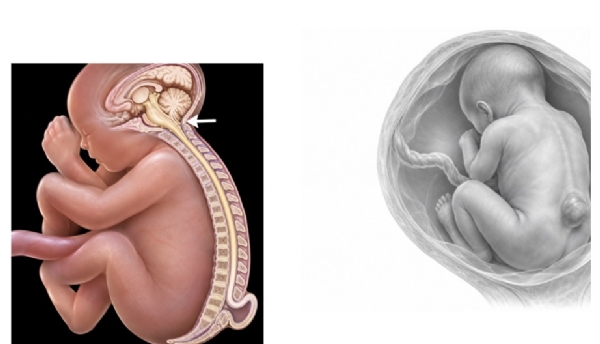
New Delhi, November 14 (HS): The All India Institute of Medical Sciences (AIIMS), New Delhi, has performed India’s first open fetal surgery to correct myelomeningocele, a serious congenital spinal defect, in an unborn baby. The six-hour procedure was carried out on a 25-week-old foetus to repair an opening in the lower part of the spine through which cerebrospinal fluid was leaking.
According to AIIMS, the surgery was performed at its Neurosciences Centre on Thursday. More than five weeks of meticulous preparation preceded the procedure, involving detailed fetal imaging, consultations among specialists, counselling of the parents, anaesthesia planning and surgical rehearsals. More than 30 doctors and nursing professionals from the departments of obstetrics and gynaecology, maternal-fetal medicine, neurosurgery, anaesthesia, plastic surgery, radiology and neonatology participated in the procedure.
Professor Deepak Gupta led the neurosurgical team, while Professor Neena Malhotra and Professor K. Aparna Sharma oversaw maternal-fetal medicine and obstetric care. The surgery was performed with the assistance of high-resolution microscopy and continuous ultrasound guidance.
Myelomeningocele is the most severe form of spina bifida, a congenital condition in which the spinal cord and its protective membranes protrude through an opening in the spine. The condition can lead to paralysis, hydrocephalus (an abnormal accumulation of fluid in the brain) and lifelong neurological complications.
India also faces a considerable burden of neural tube defects. A review of 27 Indian studies published in 2024 estimated their average prevalence at 9.46 cases per 1,000 births. The review also highlighted the need to strengthen nationwide surveillance and monitoring systems.
Professor Deepak Gupta, president of the Indian Society for Pediatric Neurosurgery, described the procedure as an important step towards establishing new capabilities in fetal medicine and paediatric neurosurgery in India. He said that, in carefully selected cases, surgery before birth aims to protect exposed neural tissue from further damage, reduce the likelihood of requiring a shunt later to drain excess cerebrospinal fluid and improve certain neurological outcomes. However, he emphasised that the procedure is not a complete cure and that the child will require long-term multidisciplinary medical care.
Professor Neena Malhotra described the achievement as the outcome of the collective commitment and coordinated efforts of specialists from multiple disciplines. Professor Aparna Sharma said that decisions involving such complex fetal procedures are taken only after detailed planning, with the health and safety of both the mother and the unborn child as the primary considerations. She stressed that appropriate counselling, advanced anaesthesia management and coordinated monitoring before and after surgery are essential to ensuring maternal and fetal safety.
International Research Highlights Benefits and Risks of Fetal Surgery
Fetal surgery for myelomeningocele has also been extensively studied internationally. According to the Management of Myelomeningocele Study (MOMS), the proportion of children requiring a shunt to drain cerebrospinal fluid by the age of 12 months was 40 per cent among those who underwent prenatal surgery, compared with 82 per cent among children who underwent surgery after birth.
The study also reported improvements in motor function and a reduction in Chiari II malformation, a condition involving the downward displacement of structures at the back of the brain.
However, the procedure carries risks for both the mother and the foetus, including premature delivery and complications associated with scarring of the uterus. Consequently, fetal surgery is offered only to carefully selected cases at specialised medical centres equipped to manage such high-risk procedures.
AIIMS provided the surgery free of cost to the family under the Central Government's Janani Shishu Suraksha Karyakram (JSSK). According to the institute, a comparable package of medical care in the United States, covering fetal surgery, high-risk obstetric care, delivery and neonatal treatment, can cost more than Rs 1 crore, depending on the institution and the patient's medical circumstances.
AIIMS Stresses Importance of Prevention and Early Intervention
The AIIMS team clarified that fetal surgery is a treatment option for selected pregnancies and should not be regarded as a substitute for preventing neural tube defects.
The neural tube, which develops into the brain and spinal cord, normally completes its closure by around 28 days after conception. In many cases, women may not even be aware of their pregnancy by this stage. Therefore, the team emphasised the importance of folic acid supplementation before conception, scientifically guided folate fortification of food and stronger nationwide surveillance mechanisms.
Following the surgery, a multidisciplinary team will continue to monitor the mother and foetus throughout the remainder of the pregnancy, delivery and the newborn's early life.
---------------
Hindusthan Samachar / Jun Sarkar

18 Aug 2026