Lucknow,
Nov 11 (HS): After the Diwali festival, air quality in various regions of Uttar
Pradesh indicated a slow improvement, although many cities continued to be engulfed
in dangerous pollution levels.
Lucknow AQI: Following a peak of 245, classified as 'poor', on November 9, the
air quality in Lucknow improved to 172 (moderate) by November 10, as reported
by the Central Pollution Control Board.
Red Zone Cities: Following the festival, at least seven areas in Uttar Pradesh such
as Noida, Ghaziabad, Sonbhadra (Anpara), Khurja, Baghpat, Gajraula, and Bulandshahr
experienced their AQI spike over 300 into the 'red zone' (very poor to severe).
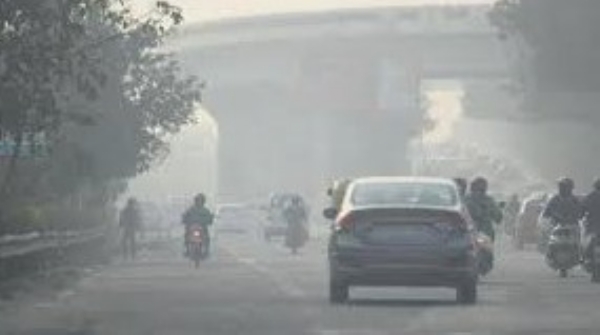
Visibility and Weather: Thick fog and dropping temperatures significantly
affected visibility throughout the state, with no visibility noted in Varanasi
and limited visibility in Bareilly (100 meters) and Lucknow (300 meters).
Contributing Factors: Meteorological conditions such as light winds and decreasing
winter temperatures, along with leftover firecracker smoke, vehicle emissions,
and construction dust, have hindered the dispersion of pollutants.
Earlier,
the air quality in many cities of Uttar Pradesh deteriorated rapidly on Monday,
November 9, the day after Diwali. Due to the effect of smoke from fireworks and
firecrackers, the Air Quality Index (AQI) in seven cities of the state crossed
300, i.e. reaching the red zone, which is considered serious for health.
According to the data of the Central Pollution Control Board (CPCB), Anpara of
Sonbhadra was the most polluted city in the state on Monday, the day after
Diwali. The AQI here was recorded at 355.
Meanwhile,
Noida recorded an AQI of 332 and Khurja 331. Ghaziabad also recorded an air
quality index of 324. Furthermore, Baghpat, Gajraula, and Bulandshahr also
recorded AQIs above 300.
AQI
of seven cities of the state
City
- AQI
Anpara
– 355
Noida
- 332
Khurja
– 331
Ghaziabad
- 324
Baghpat
- 305
Gajraula
- 304
Bulandshahr
– 303
Hindusthan Samachar / Abhishek Awasthi
18 Aug 2026
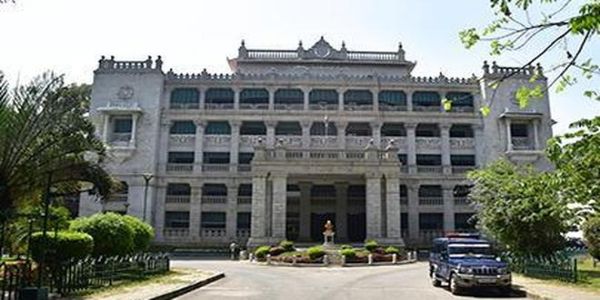
ED raids KPSC office, 20 other locations over Karnatak veterinary recruitment scam
ED raids KPSC office, 20 other locations over Karnatak veterinary recruitment scam..