New Delhi, 01 November (H.S.): The Delhi Government is preparing a comprehensive plan to redevelop Netaji Subhash Marg in the national capital. Under the redevelopment project of the Indraprastha Virasat Punarvikas Nigam (IVPN), a modern 3.3-kilometre corridor will be developed between Delhi Gate and Kashmere Gate. Along with the beautification of the road, the project places particular emphasis on connecting the surrounding historical monuments, parks and public spaces.
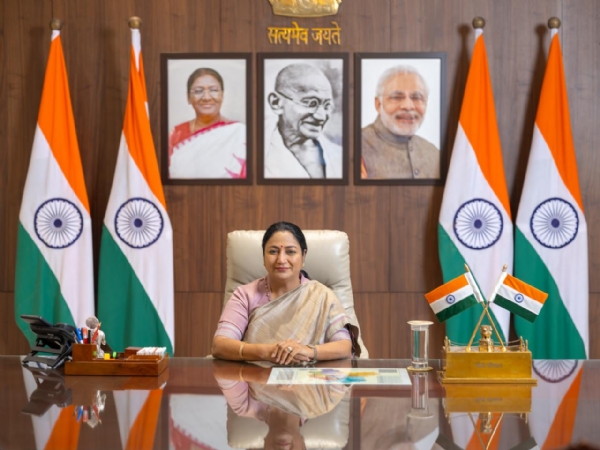
Chief Minister and IVPN Chairperson Rekha Gupta, in a statement issued on Sunday, said the road would be developed not merely as a transport route but as a vibrant link connecting Delhi’s history, heritage, architecture and culture with modern urban life.
She said the proposed corridor would begin at Delhi Gate and extend to Kashmere Gate. The beautification plan has been divided into three sections based on the available road width.
The first section will cover the stretch from Kashmere Gate to GPO Chowk. It is the busiest stretch of the corridor, with a road width ranging from 12 to 24 metres. The second section will extend from GPO Chowk to Brij Mohan Chowk, the intersection leading towards Jama Masjid, and has an average width of 45 metres. The third section will run from Brij Mohan Chowk to Delhi Gate intersection, with an average width ranging from 16.8 to 26 metres.
Taking into account the road width and other available infrastructure across all three sections, the plan provides adequate space for vehicular traffic, pedestrians and non-motorised transport. The proposed facilities include footpaths, dedicated bus and motor vehicle lanes, parking spaces, pedestrian plazas and cycle tracks. Modern public toilets will also be constructed on both sides of the road, while existing bus stops will be upgraded. The arrangements will be guided by the design principles shared by the Public Works Department (PWD) for its ongoing streetscape project.
A key feature of the project is the integrated development of historical, cultural and public-interest sites located along and around Netaji Subhash Marg. The proposed corridor will incorporate prominent landmarks, including the Red Fort, Jama Masjid, St. James’ Church, the Kashmere Gate area, the Chandni Chowk intersection connected to the Red Fort, Subhash Park, Hindi Park, IGDTUW, Agrasen Park and Sunehri Masjid.
The plan also proposes the integration of 12 key locations and green spaces, including Agrasen Park, Lothian Cemetery, Old Railway Station Chowk, the Red Fort Green Pocket, the Red Fort Dussehra Ground, Chandni Chowk–Red Fort Chowk, Sunehri Masjid Bagh, Subhash Park, Brij Mohan Chowk, Delhi Gate Chowk, Ekta Sthal and Hindi Park. The initiative aims to improve the development and utilisation of existing green spaces along the route and make this historic part of the city more attractive.
The area surrounding Delhi Gate is proposed to receive special attention. A Heritage Interpretation Park is planned there, featuring a statue, an attractive pavilion, landscaped green spaces, pedestrian facilities and parking. The park’s design will place particular emphasis on greenery, ornamental plants, trees and architectural elements reflecting the area’s heritage.
The proposed beautification of Subhash Marg will include trees and plants along both sides of the road, flower beds, green medians and aesthetically designed streetlights. Decorative walls, organised seating areas and design elements reflecting the area’s historical identity will also form part of the project. To ensure pedestrian safety, designated crossings, traffic signals and properly planned road junctions will be developed.
The Chief Minister said Delhi was not merely the national capital but also a city distinguished by centuries of history, a glorious heritage, diverse culture and vibrant traditions. She described Old Delhi as a significant centre of this historical identity, where landmarks such as the Red Fort, Jama Masjid, Chandni Chowk, Subhash Park and Kashmere Gate reflect the city’s rich legacy.
CM Gupta said the redevelopment of Netaji Subhash Marg was an important initiative to preserve this historical identity while equipping the capital with modern urban amenities. She emphasised that development should not come at the cost of Delhi’s historical soul and cultural character; rather, modern facilities should enhance the pride, dignity and stature of its heritage.
---------------
Hindusthan Samachar / Jun Sarkar
18 Aug 2026
ED raids KPSC office, 20 other locations over Karnatak veterinary recruitment scam
ED raids KPSC office, 20 other locations over Karnatak veterinary recruitment scam..