Bhubaneswar, 08 October (H.S.): The Odisha Government has constituted a commission to study the population, political representation and political backwardness of people belonging to the Socially and Educationally Backward Classes (SEBC) in various local self-government institutions across the state.
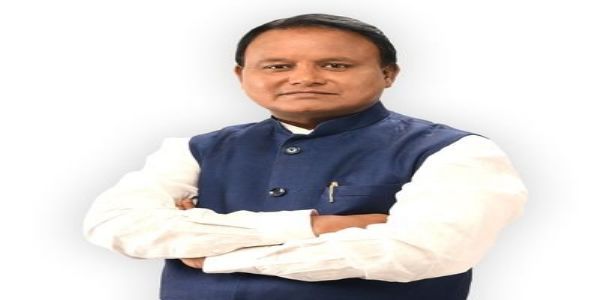
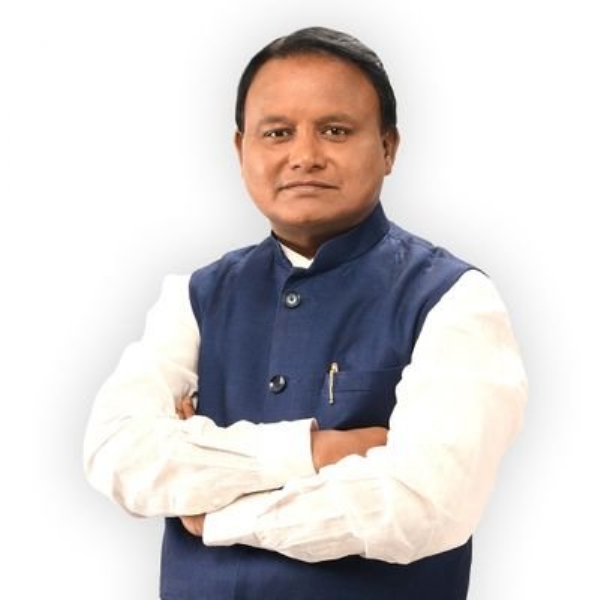
The decision was taken by Chief Minister Mohan Charan Majhi to assess the status of SEBC communities in both rural and urban local bodies, including panchayats and municipalities. The State ST and SC Development, Minorities and Backward Classes Welfare Department issued a notification in this regard on Wednesday.
Retired Odisha High Court judge Justice Pramath Patnaik has been appointed Chairman of the commission. Retired IAS officer Vijay Kumar Pushti will serve as its member, while Special Secretary of the department Sujata Mishra has been appointed Member-Secretary.
The commission will undertake a detailed study of SEBC representation in local self-government institutions across the state.
The commission will examine the proportion of SEBC population in rural and urban local bodies in relation to the total population of the respective areas.
It will also study the political representation of SEBC communities in local self-government institutions and assess the extent to which they remain politically backward in comparison with their population.
The commission will further examine the nature and implications of political backwardness of SEBC communities in these institutions.
The study is expected to help the state government formulate appropriate measures to ensure adequate political representation of socially and educationally backward citizens in local self-government institutions and safeguard their rights.
The commission's findings will provide a comprehensive assessment of the demographic and political representation of SEBC communities at the grassroots level and assist the government in taking appropriate measures based on the findings.
It may be recalled that the Chief Minister had earlier approved an 11.25 per cent reservation for SEBC students in professional higher educational institutions, including engineering and medical colleges.
---------------
Hindusthan Samachar / Monalisa Panda
18 Aug 2026
ED raids KPSC office, 20 other locations over Karnatak veterinary recruitment scam
ED raids KPSC office, 20 other locations over Karnatak veterinary recruitment scam..