Prayagraj, 7 Oct (HS):
Eye health is often overlooked until vision problems begin to interfere
with everyday activities. However, many vision-damaging conditions can be
detected and treated early. Experts say that regular eye exams and timely
treatment can prevent vision loss in many cases.
Cataracts, glaucoma, diabetic retinopathy, and certain
diseases of the cornea and retina can gradually affect vision. Cataracts are
one of the most common problems. It causes gradual blurring of vision,
difficulty seeing at night, and bright light can irritate the eyes. The risk of
cataracts increases with age, but timely diagnosis and surgery can
significantly improve vision in most patients.
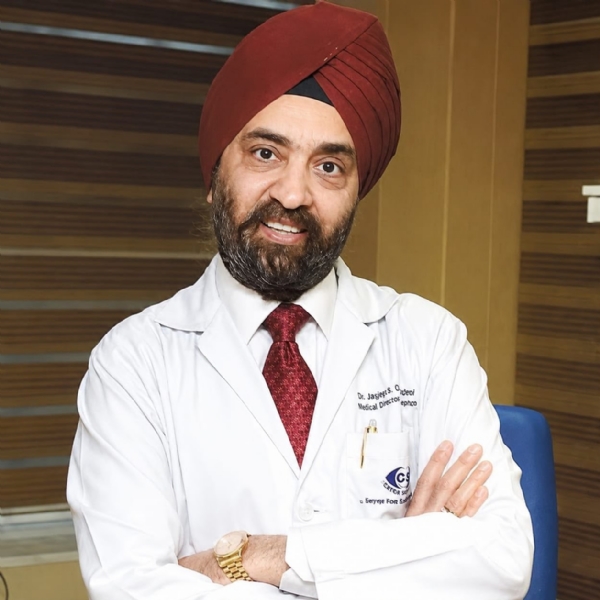
Dr. Mahipal Singh Sachdev, Chairman and Managing Director,
Centre for Sight Group of Hospitals, said, Good vision doesn't mean
perfect eyesight. Many diseases, such as glaucoma and diabetic retinopathy, can
initially damage the eyes without any noticeable symptoms. Therefore, eye exams
shouldn't be limited to just checking your eyeglass prescription. Regular
checkups can help detect such conditions early and protect your eyesight.
Cataract treatment has also evolved significantly over the
years. Today, doctors can select surgery and lenses based on a patient's needs
after a detailed eye examination. Accurate eye measurements, retinal and
corneal examinations, tailor-made laser technology, and a variety of
intraocular lenses help tailor treatment to a patient's eyes and lifestyle.
However, the same technique or lens is not suitable for every patient.
Dr. Sachdev added, Modern technology has made cataract
surgery more precise than ever, but the most important thing is that the
treatment is tailored to the patient's eye condition and needs. The choice of
surgery and lenses should be made keeping in mind the patient's eye health,
lifestyle, and the type of vision they desire after surgery.
Regular checkups are even more important for diseases like
glaucoma and diabetic retinopathy. Glaucoma can gradually damage the optic
nerve, and vision loss usually doesn't return. Diabetes can also damage the
retinal nerves. Regular checkups, as advised by your doctor, are essential for
those with diabetes, high blood pressure, a family history of glaucoma, or a
pre-existing eye condition.
Children's vision should also be monitored. If a child
complains of frequent headaches, squints while studying, rubs his or her eyes
frequently, or has difficulty seeing the board at school, he or she should have
his or her eyes examined. Wearing safety glasses while playing or working with
machinery and chemicals can help prevent serious eye injury.
Working on computers and smartphones for long periods of
time can cause dry eyes, fatigue, headaches, and eye strain. Every 20 minutes,
looking at something about 20 feet away for 20 seconds, taking frequent breaks,
blinking frequently, maintaining a safe distance from the screen, and using the
screen in adequate lighting can all help your eyes. Getting enough sleep is
also important.
The theme of World Sight Day 2026 is
#LoveYourEyes. Celebrated on October 8th, this day's message is to
start eye care early, rather than after vision loss. Regular checkups,
controlling diabetes and blood pressure, a healthy lifestyle, and promptly
consulting a doctor about any changes in vision can help maintain good eyesight
in the long run.
Hindusthan Samachar / Abhishek Awasthi

18 Aug 2026
ED raids KPSC office, 20 other locations over Karnatak veterinary recruitment scam
ED raids KPSC office, 20 other locations over Karnatak veterinary recruitment scam..