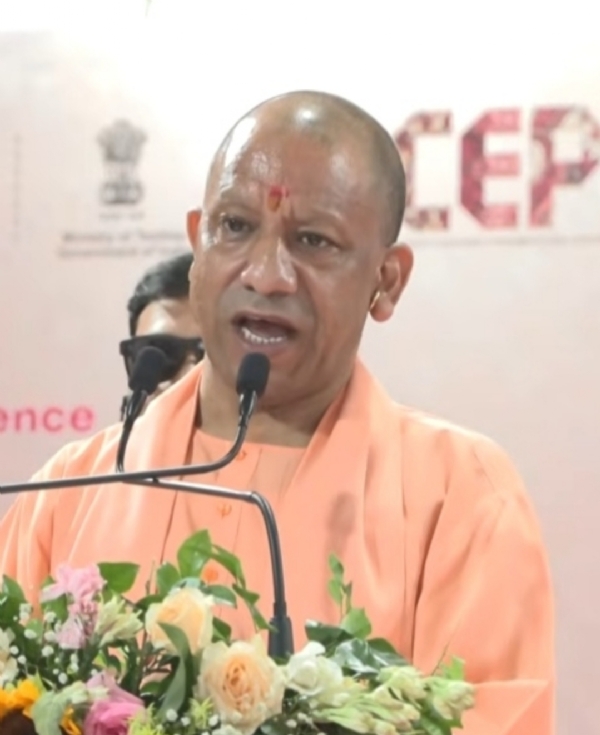
Lucknow, 5 Oct (HS): Chief
Minister Yogi Adityanath, speaking about the changes brought about by the
digital library, said that with the availability of resources, the path to
dreams has also become easier. In a post on X on Monday, he said that once upon
a time, when a village child wanted to prepare for a competitive exam, they had
to look to the city for books and better resources. The distance took both time
and money. Now, in Khasaha Mohammadpur of Tejwapur block of Bahraich, a digital
library has reduced this distance.
Chief Minister Yogi further wrote that this library, built
in the Gram Panchayat Secretariat, combines books and computers, traditional
learning and modern technology under one roof. It features computers, printers,
high-speed internet, Wi-Fi, smart TVs, and CCTV. Along with competitive exam
books, literature from the National Book Trust is also available. Meaning,
whether you need books to read or digital content for preparation, both are now
readily available in the village.
He said that as resources became closer, the path to dreams
also became easier. Children and youth are studying here. They are joining e-learning
and sharpening their competitive exam preparations. The time and money that
used to be spent commuting to the city is now being used for their studies.
This change isn't limited to just one village. Before 2017,
access to e-libraries was limited to approximately 76 locations at the state
and district levels. Today, digital libraries have reached 57,600 gram
panchayats. Instead of limiting digital education to schools, smartphones and
tablets have been provided to approximately 6 million youth. Today, education
is being integrated with new technology through smart classrooms in more than
32,000 schools and ICT labs in more than 15,000 schools in the state.
The Chief Minister said that despite adequate government
funding, 6.22 lakh children did not receive textbooks and 9.7 million children
did not receive uniforms between 2012 and 2016. From the availability of
resources to their accessibility in education, Uttar Pradesh has come a long
way.
This change has also become a source of confidence for parents.
Their children no longer have to travel far from their villages for modern
educational resources. The Uttar Pradesh government's Gram Panchayat Digital
Library initiative is showing results on the ground. Gram Panchayat
secretariats are now playing a new role as centers of knowledge and technology,
not just administrative services. This digital library in Khasaha Mohammadpur
is a living example of change. The village is changing, the learning
environment is transforming, and the light of knowledge is now reaching
children's doorsteps.
“Whenever a child from the village needed to prepare for
competitive exams, they had to look toward the city for books and better
resources. The distance consumed both time and money. Now, in Khasaha
Mohammadpur of Tejawapur Block in Bahraich, this very distance has been bridged
by the digital library. This library, set up in the Gram Panchayat secretariat,
is bringing together books and computers, traditional study methods and modern
technology, all under one roof. Here, facilities include computers, printers,
high-speed internet, Wi-Fi, smart TVs, and CCTV. Along with books for
competitive exams, literature from the National Book Trust is also available.
That is to say, whether you need books for reading or digital content for
preparation, both are now accessible right in the village. With resources now
closer at hand, the path to dreams has become easier too. Children and youth
are studying here, connecting with e-learning, and giving a new edge to their
preparation for competitive exams. The time and money that once went into
traveling to and from the city is now being invested in their education. This
change is not limited to just one village. Before 2017, e-libraries were
accessible at about 76 locations at the state and district levels; today,
digital libraries have reached 57,600 Gram Panchayats. Digital education is not
being confined to schools alone—nearly 6 million youth have been provided with
smartphones and tablets. Today, in more than 32,000 schools across the state,
education is being integrated with new technology through smart classrooms, and
in over 15,000 schools via ICT labs. On the other hand, during 2012-16, despite sufficient
government funding, 622,000 children did not receive textbooks, and 9.7 million
children did not get uniforms. From the availability of resources in education
to their accessibility, Uttar Pradesh has covered a long distance. For parents too, this change has become a foundation of
trust. Their children no longer have to leave the village for modern
educational resources. The result of the Uttar Pradesh government's Gram
Panchayat Digital Library initiative is visible on the ground. Gram Panchayat
secretariats are now playing a new role not just as centers for administrative
services, but also as hubs of knowledge and technology. This digital library in
Khasaha Mohammadpur is a vivid picture of change. The village is changing, the
environment for education is changing, and the light of knowledge is now
reaching the doorsteps of children,” UP CM remarked in a post on X.
Hindusthan Samachar / Abhishek Awasthi
18 Aug 2026
ED raids KPSC office, 20 other locations over Karnatak veterinary recruitment scam
ED raids KPSC office, 20 other locations over Karnatak veterinary recruitment scam..