




Mumbai, 30 October (H.S.):
An epic deeply rooted in Indian soil and intertwined with the faith of millions of people across the country is now being presented to the world, yet direct engagement with Indian audiences and journalists does not appear to be receiving the same priority.
Showcasing the film adaptation of the Indian epic ‘Ramayana’ on a grand scale before international audiences is certainly a welcome initiative. However, is it the right strategy to overlook domestic audiences in the race for global recognition? After all, why should Indian viewers, upon whose support the film’s biggest commercial expectations rest, not have adequate opportunities to interact with its cast and makers? Merely organising high-profile events on international platforms is unlikely to generate sufficient excitement for the film among audiences back home.
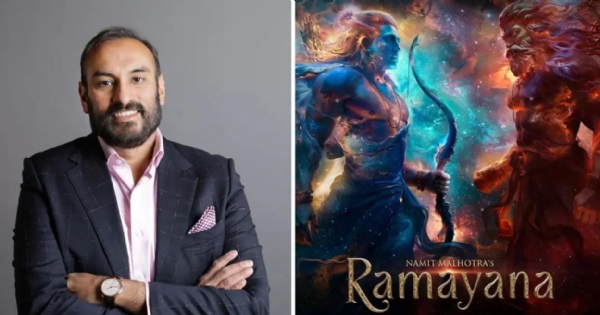
Producer Namit Malhotra, who is preparing to bring ‘Ramayana’, a story deeply connected with Indian culture, faith and traditions, to the big screen, appears to be placing considerable emphasis on securing global recognition for the project. The promotional campaign for the Nitesh Tiwari-directed film, starring Ranbir Kapoor, Sai Pallavi and Yash, has given considerable prominence to international platforms.
On October 27, a grand premiere of the film was held at the prestigious David Geffen Theatre in Los Angeles, attended by the lead cast, the director and the producer. While the film received an extensive promotional showcase in the presence of international media and Hollywood personalities, the approach has also raised questions about the role of the Indian media and the opportunities being made available to it.
Indian journalists, too, would like to engage with major stars such as Ranbir Kapoor, Sai Pallavi and Yash on the film’s preparation, their understanding of their respective characters and the responsibility of bringing a culturally sensitive epic like the Ramayana to the screen. However, if foreign journalists are given priority in promotional activities while Indian media professionals are not provided adequate opportunities, it is bound to cause disappointment.
Namit Malhotra needs to recognise that the Indian media is not merely a platform for publishing film posters and promotional material. It also serves as a crucial bridge between filmmakers and audiences. Any attempt to build a global profile for the film while keeping Indian journalists at a distance would, therefore, remain incomplete.
There are also discussions surrounding the possibility of a special screening of the film in India, but no clear plan has emerged so far. This, however, has not been officially confirmed. The makers should clarify whether special screenings will be organised for the Indian media and members of the film fraternity.
Ultimately, the Ramayana is an integral part of India’s cultural heritage, and the film must first establish its credibility among Indian audiences. International appreciation and a prestigious Hollywood platform undoubtedly have their significance, but how successful can an attempt to give this epic global recognition be without extending due importance to Indian viewers and the media?
Namit Malhotra must not lose sight of the fact that the film’s real test will ultimately be its reception among audiences in India.
---------------
Hindusthan Samachar / Jun Sarkar