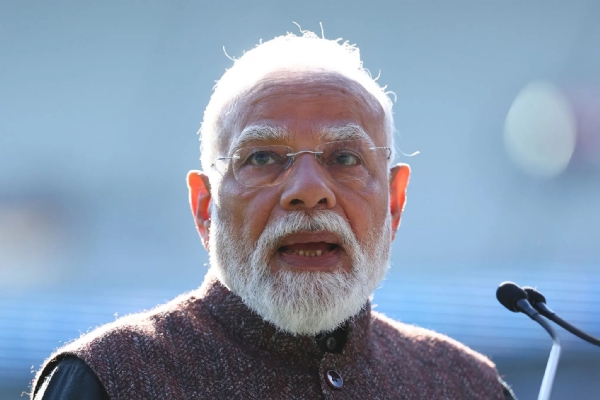
New Delhi, 26 October (H.S.): Prime Minister Narendra Modi on Monday extended greetings to the nation on the occasion of Maharishi Valmiki Jayanti, paying tribute to the revered sage’s enduring contribution to Indian culture and heritage. He also shared a Sanskrit Subhashitam highlighting Maharishi Valmiki’s compassion and the origins of the first shloka, which traditionally marks the beginning of the Ramayana.
In a post on X, the Prime Minister recalled the sage’s timeless teachings, describing them as fundamental to Indian culture and heritage and emphasising their continuing relevance across generations.
“Heartfelt greetings to everyone on the auspicious occasion of Maharishi Valmiki Jayanti. His noble thoughts have been fundamental to Indian culture and heritage and will continue to nurture and enrich the nation in every era. His invaluable messages for humanity will always serve as a guiding light for the people of the country,” Modi wrote.
On the occasion, he also shared a Sanskrit verse from Raghuvamsha, the celebrated epic poem composed by the classical Sanskrit poet Kalidasa. The verse appears in the 14th canto, verse 70, and recounts Maharishi Valmiki’s approach towards Sita after hearing her lament in the forest.
The Sanskrit verse reads:
“तामभ्यगच्छद्रुदितानुसारी कविः कुशेध्माहरणाय यातः।
निषादविद्धाण्डजदर्शनोत्थः श्लोकत्वमापद्यत यस्य शोकः॥”
The verse describes how Valmiki, who had gone to gather kusha grass and sacrificial firewood, approached Sita after following the sound of her weeping. It also recalls that the sage’s sorrow, originally awakened by the sight of a bird struck down by a hunter, had found expression in poetic form, giving rise to the *shloka*.
According to the traditional account, Maharishi Valmiki later provided shelter to Sita at his hermitage after she was left in the forest by Lakshmana. The sage also guided her sons, Lava and Kusha, and taught them to sing the story of Lord Rama.
The Prime Minister’s message highlighted Valmiki’s enduring legacy as the Adi Kavi, or the first poet, and underscored the timeless significance of his teachings and literary contribution to India’s cultural and spiritual traditions.
---------------
Hindusthan Samachar / Jun Sarkar

18 Aug 2026