Lucknow, 24 October (HS.): TechSangam 2026 is a three-day
International Dialogue organized by the Uttar Pradesh State Institute of
Forensic Science (UPSIFS) in Lucknow. The conversation brings together experts from politics,
industry, and education to investigate the confluence of five significant
technology frontiers:
Artificial
intelligence (AI): Deepfakes, AI-assisted forensic investigations, and evolving
criminal patterns.
Quantum computing applications and security implications
Cyber forensics refers to the use of modern investigative
techniques and the recovery of digital evidence
Data Protection and Security: Keeping digital infrastructure
and data private
Legal compliance entails navigating the developing
regulatory and legal frameworks around modern technology
The effort seeks to provide young people with specialized
skills in next-generation technologies in order to enhance state innovation and
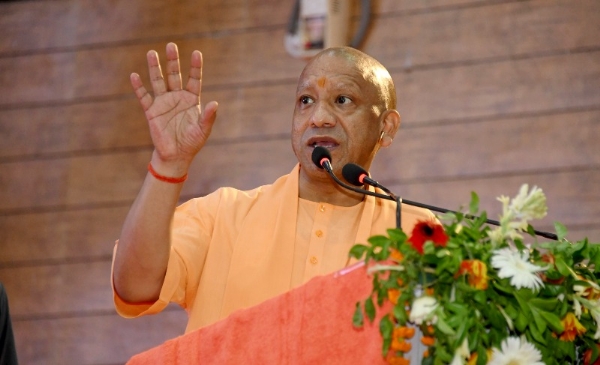
job possibilities, in line with Viksit Bharat's goal. Chief Minister Yogi Adityanath will open and
participate in the sessions on new technologies and security issues. The
conference included extensive discussions among experts, authorities, and
students about cybercrime prevention, deepfake identification, and presenting
Uttar Pradesh as an emerging technology and AI powerhouse.
UP CM penned a post on X, which reads as follows: “Linking
the new possibilities of technology with public welfare, justice, and a bright
future for the youth is today’s greatest need. For this, it is essential to
promote modern technology, scientific research, and trained human resources in
the fields of cybersecurity and forensic science. With this very objective, I
will participate today in ‘TechSangam 2026’ organized at the Uttar Pradesh
State Institute of Forensic Science (UPSIFS), Lucknow. Focused on emerging
areas like AI, cyber forensics, quantum technology, and data protection, this
event is a significant opportunity to connect technological innovation with
citizen security, an effective justice system, and digital trust. This program
is a symbol of Uttar Pradesh’s changing work culture. Before 2017, in the state
with the country’s largest population, there were only 2 cyber police stations
and 4 forensic labs. Due to the inadequate use of the possibilities of science
and technology and the lack of scientific evidence, criminals found
opportunities to escape the law. The conviction rate was even below 30 percent.”
“After 2017, the state’s double-engine government worked in
the direction of changing this situation. Today, there are cyber police
stations in all 75 districts, and efforts are underway to establish forensic
labs in every division. The expansion of technical resources and scientific
investigation capabilities has strengthened the process of dealing with new
challenges like cybercrime and ensuring punishment for criminals. The
conviction rate has increased. At the same time, new opportunities for quality
education, research, and employment are being created for the youth of the
state in emerging fields like forensic science and cybersecurity. Technology is
today becoming a means not only to ensure effective justice but also to give a
new direction to the future of the youth,” he added.
“Today’s event, which brings scientists, technical experts,
policymakers, legal specialists, and industry representatives from India and
abroad onto one platform, will open new doors of collaboration between
research, education, and industry through meaningful discussions on cybersecurity,
the reliability of digital evidence, and the responsible use of emerging
technologies. This confluence will play an important role in making India
self-reliant in emerging technologies and making citizens’ lives more secure
and convenient through them, while also giving new momentum to the resolve of a
developed India through the strength of Aatmanirbhar Bharat,” he stated prior
to signing off.
Hindusthan Samachar / Abhishek Awasthi

18 Aug 2026
ED raids KPSC office, 20 other locations over Karnatak veterinary recruitment scam
ED raids KPSC office, 20 other locations over Karnatak veterinary recruitment scam..