New Delhi, October 22 (H.S.): Dr. M. L. Jat, Secretary of the Department of Agricultural Research and Education (DARE) and Director General of the Indian Council of Agricultural Research (ICAR), has emphasised the need to develop agricultural higher education in line with the changing global landscape and emerging future requirements.
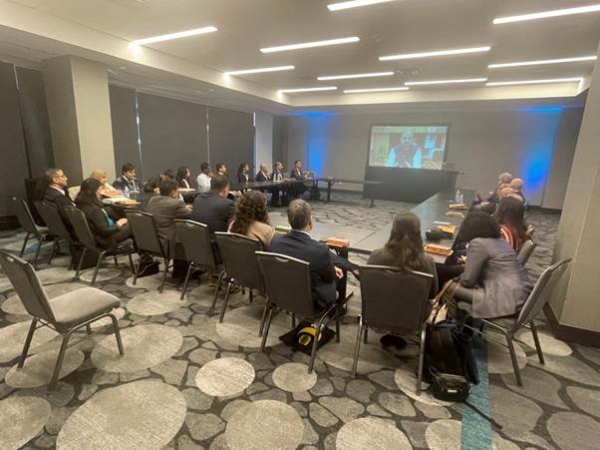
Dr. Jat was addressing a roundtable virtually during the 2026 Norman E. Borlaug International Dialogue, organised on the sidelines of an event hosted by the World Food Prize Foundation in Des Moines, United States. He said agricultural education and research must be reoriented to address critical challenges, including climate change, the degradation of natural resources, biodiversity loss, and the growing demand for nutritious and healthy diets.
Sharing his views as President of the National Academy of Agricultural Sciences (NAAS), India, Dr. Jat underscored the importance of global cooperation in making agrifood systems more sustainable, resilient and better equipped to withstand future challenges.
He said the evolving needs of agriculture required education and research to move beyond the traditional production-centred approach towards integrated agrifood systems and a comprehensive value-chain perspective. He stressed that agricultural education should be developed in a manner that equips students not only with scientific knowledge but also with practical skills, the capacity to innovate and competencies aligned with industry requirements.
Highlighting the need for stronger partnerships between academia and industry, Dr. Jat said such collaboration would help develop an industry-ready workforce, provide better support to farmers and encourage more effective industry participation across the agrifood value chain.
Emphasising the importance of India's long-standing partnerships with global institutions, he said international cooperation facilitates the exchange of knowledge, experience and scientific advances. Such collaboration, he noted, creates new opportunities for agricultural research and education while enabling countries to benefit from one another's expertise.
He also stressed the need to bring researchers, policymakers, academic institutions, industry representatives and other stakeholders onto a common platform to address emerging challenges in the agricultural sector.
Referring to the role of the National Academy of Agricultural Sciences in shaping agricultural research and development, Dr. Jat highlighted the importance of policy dialogue, policy papers and concise policy briefs. He said these initiatives could help identify critical issues affecting agriculture and facilitate the development of practical solutions through collaborative efforts.
On the occasion, he also outlined efforts to connect members of the Indian agricultural community and overseas experts with the country's research and academic institutions. He said strengthening these networks would promote international knowledge exchange and help advance agricultural higher education in India by drawing on global expertise.
As part of efforts to expand international institutional cooperation, Dr. Jat also referred to the signing of a memorandum of understanding with the Council for Agricultural Science and Technology. The partnership is expected to create fresh opportunities for collaboration in agricultural research, capacity development and knowledge exchange.
Expressing confidence that stronger partnerships with international institutions would play a significant role in improving agricultural research, education and extension services, Dr. Jat called for greater cooperation that takes into account the needs and priorities of developing countries.
He emphasised that collective efforts were essential to transform agrifood systems and build a more sustainable and resilient future for agriculture worldwide.
---------------
Hindusthan Samachar / Jun Sarkar
18 Aug 2026
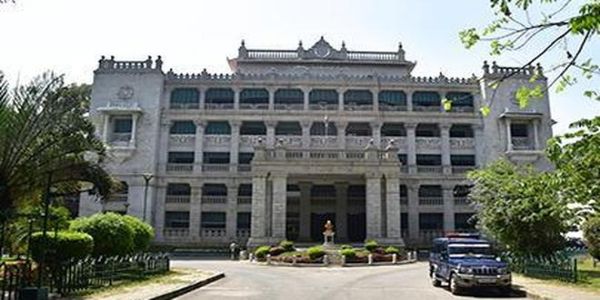
ED raids KPSC office, 20 other locations over Karnatak veterinary recruitment scam
ED raids KPSC office, 20 other locations over Karnatak veterinary recruitment scam..