New Delhi, 19 October (H.S.): Security arrangements at the Delhi Legislative Assembly are being comprehensively strengthened through the installation of eight watchtowers and the introduction of advanced surveillance and access-control systems. The measures include a dedicated patrol route for the Central Reserve Police Force (CRPF), automatic sliding gates at multiple entrances, an under-vehicle surveillance system (UVSS) for vehicle inspections, hydraulic blocking bollards, flap barriers with photo-identification facilities, radio frequency identification (RFID) technology, an expanded CCTV surveillance network and a digital visitor management system at the reception.
Delhi Assembly Speaker Vijender Gupta announced the initiatives on Monday, stating that the measures were being implemented to further reinforce security across the Assembly complex. In view of previous bomb threats and other security-related incidents, these improvements have been accorded particular importance.
To strengthen perimeter surveillance, eight watchtowers are being established at strategic locations around the complex, including areas at the front and rear of the premises and behind the reception. Construction of one watchtower has already been completed. Personnel from the CRPF will be deployed at these towers to maintain continuous vigilance, monitor sensitive areas and ensure a swift response to any suspicious activity.
A dedicated patrol route is also being developed to enable CRPF personnel to patrol the entire boundary of the Assembly complex, from one end to the other. Approximately 70 per cent of the work has been completed. The route will help security personnel conduct more effective perimeter patrols, monitor sensitive locations and respond promptly to suspicious activity.
To improve access control, automatic sliding gates are being installed at Assembly gates numbered 1 to 5. Hydraulic blocking bollards have also been installed to regulate unauthorised vehicle movement and provide an additional layer of protection at sensitive entry points.
Under-vehicle surveillance systems have been installed at gates 2 and 5 to inspect vehicles entering the premises. These systems will help security personnel examine vehicles, identify suspicious vehicles and detect potentially forged number plates. Any such cases can then be subjected to further verification by the security staff.
Flap barriers equipped with photo-identification facilities are being installed at gate 1. These barriers will help verify the identities of individuals entering the Assembly complex and maintain proper records of their entry. In addition, the RFID system will facilitate the identification and registration of vehicles entering the premises, enabling more systematic monitoring of vehicular movement.
Gupta said approximately 120 CCTV cameras are currently installed across the Assembly complex. To expand the surveillance network, Delhi Police has been requested to identify additional blind spots and sensitive areas where more cameras could be installed. The initiative aims to eliminate gaps in surveillance and ensure more effective monitoring throughout the premises.
A digital management system has also been established at the reception to streamline visitor registration and verification. The system will record visitors’ photographic identification and essential details, including the purpose of their visit to the Assembly. This is expected to make entry management more organised, enhance transparency and strengthen accountability.
Gupta said the measures represented significant progress towards establishing a stronger and more coordinated security framework for the Delhi Legislative Assembly.
---------------
Hindusthan Samachar / Jun Sarkar
18 Aug 2026
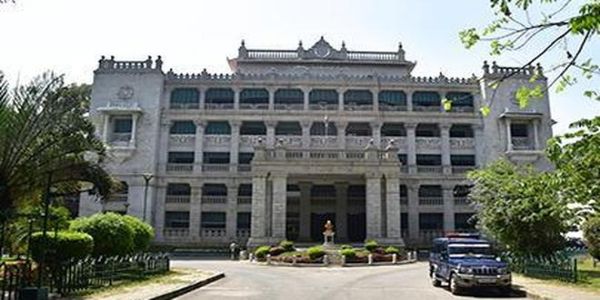
ED raids KPSC office, 20 other locations over Karnatak veterinary recruitment scam
ED raids KPSC office, 20 other locations over Karnatak veterinary recruitment scam..