New Delhi, October 17 (H.S.): Delhi has recorded 211 days of good to moderate air quality up to October 17 this year, marking a significant improvement in the capital’s air quality. Excluding 2020, when the COVID-19 pandemic affected normal activity, this is the city’s strongest performance since 2016. With more than two months remaining in 2026, Delhi has already surpassed the number of days with favourable air quality recorded in several previous full years.
Delhi recorded 200 such days in 2025, 209 in 2024, 206 in 2023, 159 in 2018 and 110 in 2016.
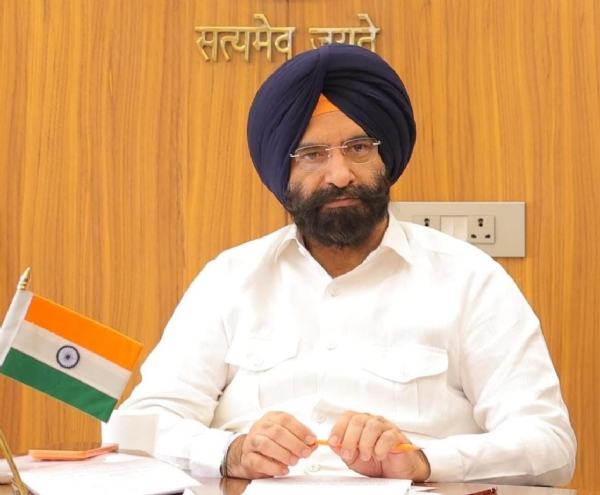
Welcoming the development, Delhi Environment Minister Manjinder Singh Sirsa said the Delhi government had adopted a comprehensive, coordinated and results-oriented strategy to combat air pollution. He said sustained efforts by various departments, agencies and stakeholders were beginning to yield positive results.
Sirsa noted that Delhi had recorded 211 days of good to moderate air quality so far this year, compared with just 110 days during the whole of 2016. The difference of 101 days, he said, represented a significant achievement resulting from the collective efforts of government agencies, institutions and the people of Delhi.
The Environment Minister also said that during the corresponding period in 2016, Delhi had recorded 168 days when air quality fell into the poor, very poor or severe categories. In comparison, the number had declined to 79 days in 2026.
According to Sirsa, the latest figures indicate a positive shift in the capital’s air quality. They also underscore the importance of a scientific approach to pollution control, continuous monitoring and improved coordination among different agencies.
He said more than two months remained before the end of 2026, yet Delhi had already exceeded the full-year figures recorded in several previous years. Describing the trend as encouraging, he said sustained efforts, science-based interventions, strict monitoring and public cooperation could bring meaningful progress in controlling air pollution.
Sirsa said the Delhi government was working on multiple fronts to curb pollution. Measures include mechanised road sweeping, water sprinkling, the deployment of anti-smog guns, road redevelopment and improvement, dust-control measures at construction and demolition sites, stricter monitoring of industrial emissions, prevention of open waste burning and the expansion of electric public transport.
He added that the recently established artificial intelligence-based Integrated Command and Control Centre was strengthening real-time pollution monitoring, coordination among agencies, grievance redressal and targeted enforcement. The government, he said, was continuing to incorporate scientific monitoring methods and modern technology into its pollution-control strategy.
---------------
Hindusthan Samachar / Jun Sarkar
18 Aug 2026
ED raids KPSC office, 20 other locations over Karnatak veterinary recruitment scam
ED raids KPSC office, 20 other locations over Karnatak veterinary recruitment scam..