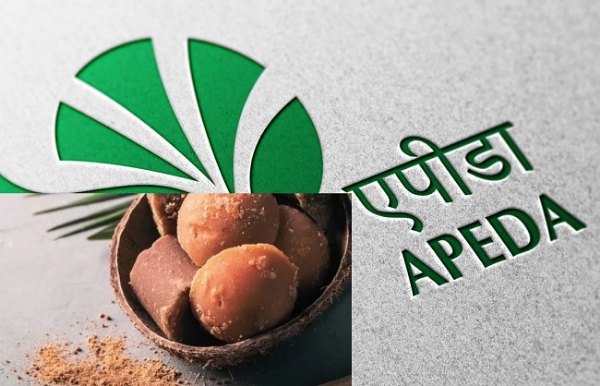
New Delhi, 16 October (H.S.): India’s traditional palm jaggery powder has entered the Bulgarian market, with an initial consignment of 1.755 metric tonnes of the organic product exported from Tamil Nadu. The Agricultural and Processed Food Products Export Development Authority (APEDA) facilitated the export, marking a step towards diversifying India’s organic exports and expanding international markets for traditional palm-based products.
According to a statement issued by the Ministry of Commerce and Industry on Friday, APEDA Chairman Abhishek Dev flagged off the first consignment of 1.755 metric tonnes of organic palm jaggery powder, certified under India’s National Programme for Organic Production (NPOP) and by the European Union, on October 15. The consignment was dispatched from Gobichettipalayam in Tamil Nadu’s Erode district to Varna in Bulgaria. The product is made from the sap of palm flowers.
The ministry said the export represents an important step towards introducing traditional products derived from India’s palm trees to international markets and broadening the country’s range of organic export products.
The consignment was produced and exported by Erode-based Wellbeing Foods, in collaboration with Chennai-based Chetti Exports Private Limited. It will be shipped by sea through Chennai Port. Bulgaria-based So Life Limited is the overseas importer and distributor.
According to the ministry, the initiative aims to strengthen market linkages for Tamil Nadu’s traditional palm products and create new opportunities for organic farmers. The programme also covers organic cultivation across 137 acres of land, with the expectation that farmers will benefit from improved market access and export-oriented value chains.
The ministry stated that, compared with the domestic market, farmers can receive approximately 15–22 per cent higher prices, while manufacturers can obtain around 17 per cent more. These improved returns are expected to create opportunities to enhance farmers’ earnings and support sustainable livelihoods.
---------------
Hindusthan Samachar / Jun Sarkar