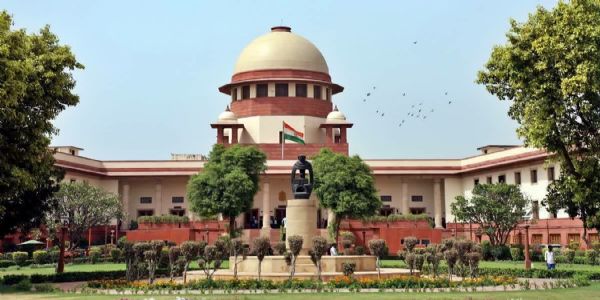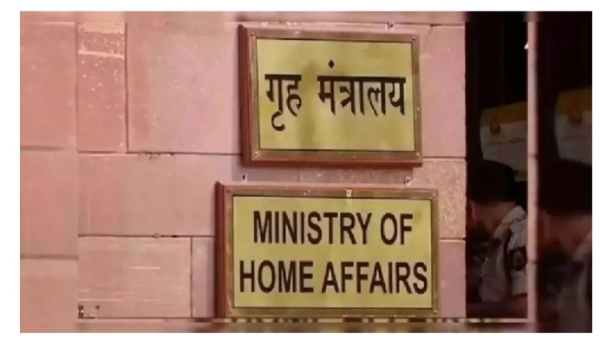
New Delhi, 15 October (H.S.): The Union Ministry of Home Affairs has clarified before the Supreme Court that tendering an unconditional apology in an affidavit submitted in response to a contempt notice is a mandatory judicial procedure and does not amount to an admission of the allegations.
The ministry’s clarification follows media reports concerning the response filed to a contempt notice issued to the Union Home Secretary over the temporary suspension of cellular internet services and restrictions on transportation in Delhi during protests against the Chief Election Commissioner on October 10.
It may be noted that the Union Home Secretary and the Delhi Police Commissioner have sought the quashing of the contempt notices issued against them by the Supreme Court. In their affidavits, they have argued that their actions were proportionate, legally compliant and confined to maintaining public order.
According to the Ministry of Home Affairs, some media organisations have reported that the Union Home Secretary tendered an unconditional apology to the Supreme Court in response to the contempt notice.
Clarifying the position, the ministry stated that whenever a contempt notice is issued, the reply affidavit begins with an unconditional apology, followed by the presentation of all relevant facts and legal arguments. It described this as a mandatory procedural requirement in contempt proceedings.
The ministry further stated that, in accordance with this established procedure, the opening paragraphs of the affidavits filed by the Home Secretary, the Police Commissioner and other officials concerned complied with the requirement to tender an unconditional apology.
The affidavits subsequently set out detailed information and arguments concerning the actions taken by the authorities, the ministry added.
---------------
Hindusthan Samachar / Jun Sarkar
18 Aug 2026