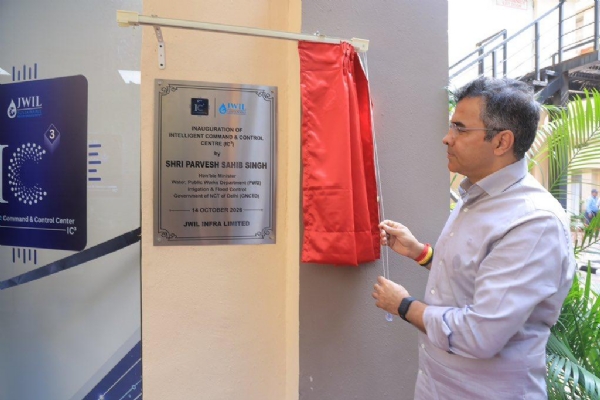
New Delhi, 14 October (H.S.): In a major step towards modernising Delhi’s water supply infrastructure, Water Minister Parvesh Sahib Singh on Wednesday inaugurated an Intelligent Command and Control Centre (ICCC) at the Shivaji Marg office of JWIL Infra Limited. He also flagged off a specially equipped emergency response vehicle designed to facilitate swift repairs and improve the management of water supply disruptions. The initiatives are expected to enable early detection of pipeline leaks, reduce water wastage and ensure faster resolution of consumer complaints.
The command centre will consolidate information relating to water supply network monitoring, maintenance, consumer grievances and field operations on a single digital platform. This integrated system will enable officials to monitor the performance of the water distribution network, identify vulnerable areas and expedite repair work.
Addressing the gathering, Parvesh Sahib Singh said water management was not merely about ensuring an adequate supply of water but also about preventing wastage, identifying problems before they escalated and minimising the inconvenience caused to residents by pipeline leaks and other disruptions. He emphasised that technology could deliver meaningful benefits only when its impact was reflected in the everyday lives of Delhi’s residents.
According to the minister, the ICCC platform will integrate data from the Supervisory Control and Data Acquisition (SCADA) system, Geographic Information System (GIS), smart meters, consumer complaints, maintenance operations and GPS-enabled field vehicles. This integration will help officials monitor the water supply network, track repair teams in real time and review the progress of action taken on complaints.
The command centre will also leverage artificial intelligence (AI) and digital twin technology to help predict potential pipeline bursts, identify low-pressure areas and analyse water demand patterns. These capabilities are expected to enable officials to anticipate disruptions, identify emerging problems and take preventive measures before they affect consumers.
Parvesh Sahib Singh said the government’s primary objectives were to minimise water wastage, accelerate repair work and strengthen accountability. The system will enable officials to respond promptly to complaints and monitor their resolution. This, he added, would facilitate better on-ground decision-making and improve the quality of services delivered to residents.
JWIL is currently executing Packages 2, 3 and 4 of the Chandrawal Water Supply Project for the Delhi Jal Board. The areas covered by these packages account for approximately 10 per cent of Delhi’s population and geographical area, including several important VIP localities.
To ensure prompt repairs in the event of leaks in major pipelines, a specially equipped emergency response vehicle has been deployed. It carries a high-capacity submersible dewatering pump, a 60-kVA generator set and essential repair equipment. The vehicle will allow emergency operations to continue even at locations where electricity is unavailable.
The command centre will use GPS technology to track the vehicle’s location and coordinate its deployment to affected sites as required. The arrangement is expected to reduce delays in repairs, restore water supply more quickly and minimise water wastage and damage to roads.
Emphasising the importance of preparedness during emergencies, Parvesh Sahib Singh said every minute counted when a major pipeline developed a leak. Keeping the necessary equipment ready in advance, rather than arranging it after an emergency occurred, would save valuable time and help restore water supply at the earliest.
He stressed that Delhi needed practical, result-oriented systems that could improve the efficiency, responsiveness and reliability of its water management infrastructure.
---------------
Hindusthan Samachar / Jun Sarkar
18 Aug 2026
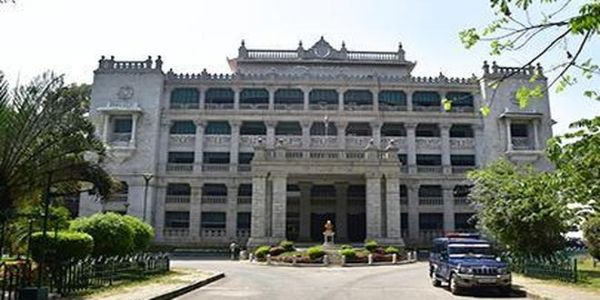
ED raids KPSC office, 20 other locations over Karnatak veterinary recruitment scam
ED raids KPSC office, 20 other locations over Karnatak veterinary recruitment scam..