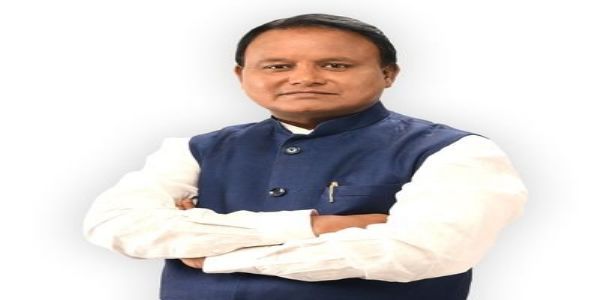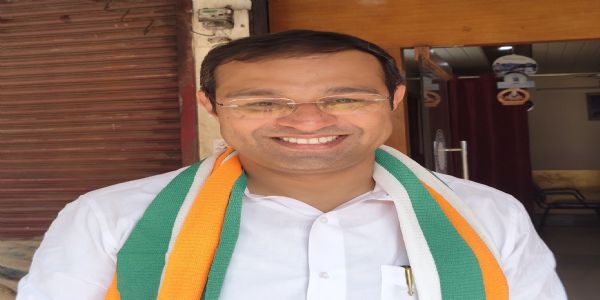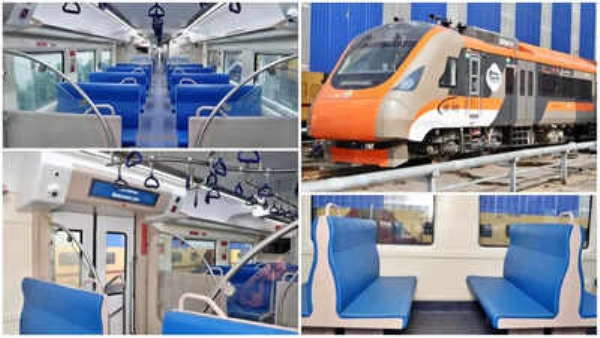
Kolkata, 13 October (H.S.): Following the model of the National Capital Region, a comprehensive plan has been prepared to introduce the state-of-the-art 'Namo Bharat' Regional Rapid Transit System (RRTS) in West Bengal. A proposal to develop four high-speed corridors spanning 604 kilometers, connecting various industrial, educational, and major cities with Kolkata as the central hub, has been submitted to the Union Ministry of Housing and Urban Affairs. Rajya Sabha Member of Parliament Samik Bhattacharya has formally handed over this proposal to Union Minister Manohar Lal Khattar.
Under this ambitious project, four major routes have been proposed. The first corridor, stretching 135 kilometers from Kolkata to Mayapur via Kalyani and Krishnanagar, will connect the AIIMS in Kalyani, the Nadia district headquarters, and the ISKCON headquarters. The second route will cover 232 kilometers from Kolkata to Asansol via Burdwan and Durgapur, encompassing the state's prominent coal and steel industrial belt. The third corridor, spanning 102 kilometers, will link Kolkata to the Falta Special Economic Zone (SEZ), Diamond Harbour, Haldia Port, and Nandigram. The fourth route will be 135 kilometers long, travelling from Kolkata to Medinipur city via Santragachi, Kolaghat, and Kharagpur.
The state-of-the-art trains under the proposed project are targeted to have a design speed of 160 to 180 kilometers per hour, significantly reducing travel time compared to conventional trains. All these corridors will be directly integrated with various lines of the Kolkata Metro, major railway terminals like Howrah and Sealdah, the under-construction Delhi-Varanasi-Howrah bullet train network, and national highways such as NH-19. To minimize land acquisition hurdles, the railway tracks are planned to run primarily parallel to the Railway Right of Way and expressways.
Urban transport expert Satyam Singh believes that this rapid rail system will prove to be a milestone for the economic and social landscape of West Bengal. Singh stated that this high-speed network of over 600 kilometers around Kolkata will not only facilitate smoother transportation but also balance the immense population pressure on the metropolis. He emphasized that bringing major industrial and educational hubs like Durgapur, Asansol, Haldia, and Kharagpur within just an hour or an hour and a half's distance from Kolkata will open up new investment avenues, increase employment opportunities, and provide daily commuters with world-class travel facilities.
Singh further added that the network could serve as a game-changer for the state's regional economic activities. By decentralizing the growing population and traffic congestion in Kolkata, the project will spur massive growth in regional commerce. The initiative will offer daily passengers a secure and rapid transport alternative, create new jobs, and boost residential and commercial investments in satellite towns. While integrating this corridor with metros and major highways is a highly effective step towards multi-modal connectivity, he noted that the actual success of the project will ultimately depend on timely land utilization, financial viability, and multi-departmental coordination.-------------
Hindusthan Samachar / Satya Prakash Singh
18 Aug 2026
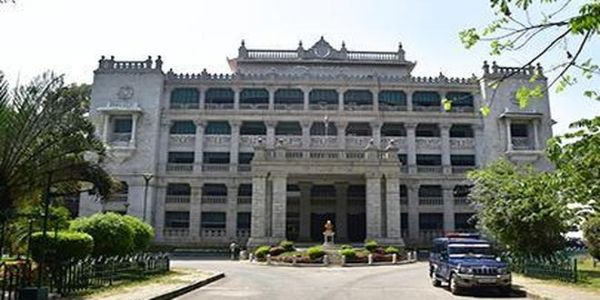
ED raids KPSC office, 20 other locations over Karnatak veterinary recruitment scam
ED raids KPSC office, 20 other locations over Karnatak veterinary recruitment scam..