New Delhi, 11 October (H.S.):
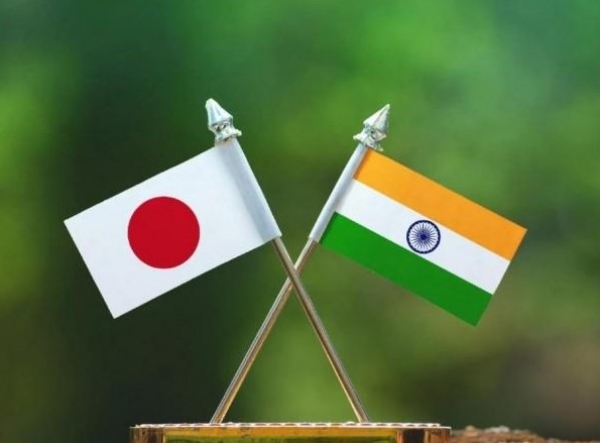
Japan has emerged as India’s largest source of foreign direct investment (FDI) in the first quarter of the current financial year, April to June, overtaking Singapore with a massive investment of $5.71 billion, or approximately Rs 47,000 crore. The figure is particularly significant as Japan had invested a total of $3.74 billion in India during the entire 2025-26 financial year. This time, however, Japanese investment in India surpassed the previous full-year total in just three months.
Singapore ranked second among foreign investors during the April-June quarter, with an investment of $5.22 billion, followed by Mauritius at $2.4 billion. The Netherlands and the United States contributed $1.38 billion and $1.35 billion, respectively. Several other countries, including South Korea and the United Kingdom, also made investments in India, albeit in smaller amounts. These figures underscore the growing confidence of major global economies and institutional investors in the Indian market.
According to data released by the Central Government, India attracted a total of $19.81 billion in equity investment during the April-June quarter, with Japan alone accounting for approximately 29 per cent of the total. The investment surge reflects the strengthening economic and commercial ties between India and Japan.
Japan has set an ambitious target of investing 10 trillion yen, equivalent to approximately Rs 7 lakh crore, in India over the next decade. Last month, Union Minister of Commerce and Industry Piyush Goyal visited Japan to further strengthen trade and investment ties between the two countries. During his visit, he stated that Japanese companies had already invested Rs 1 lakh crore in India towards this ambitious target.
Experts believe that Japanese investors are becoming increasingly proactive in exploring opportunities in India. According to Anil Bhansali, Executive Director of Finrex Treasury Advisors LLP, escalating geopolitical tensions, sluggish economic growth and rising manufacturing costs worldwide are prompting Japanese companies to diversify their supply chains rather than depend on any single country. Against this backdrop, India has emerged as one of the safest and most reliable destinations for investment.
The benefits for India extend beyond the inflow of capital. Japanese investments are also expected to facilitate the transfer of advanced technological expertise, strengthen manufacturing capabilities and provide long-term capital to support the country's economic growth.
Bhansali noted that the sharp increase in investment during the first quarter of the current financial year was not driven solely by greenfield investments, which involve setting up new facilities and factories. Major financial-sector transactions and acquisitions were also key contributors to the surge.
For instance, in April, Japan's Mitsubishi UFJ Financial Group (MUFG) Bank made a substantial investment of Rs 39,618 crore, or approximately $4.4 billion, to acquire a 20 per cent stake in Shriram Finance Limited. The transaction represents the largest-ever foreign investment deal in India's financial services sector. Japanese investments are also expanding rapidly across banking, digital infrastructure and global capability centres.
Japanese companies are increasingly looking beyond the automobile sector, viewing India as a major consumer market and an emerging hub for innovation. Going forward, cooperation between the two countries is expected to expand further into advanced and strategic sectors, including artificial intelligence (AI), semiconductors, critical minerals, renewable energy, railways and defence.
To facilitate Japanese investment, the Government of India has also established 12 Japanese industrial townships across nine states. These townships offer investors access to single-window clearance mechanisms and infrastructure designed to meet Japanese standards, helping create a more conducive environment for Japanese businesses to establish and expand their operations in India.
---------------
Hindusthan Samachar / Jun Sarkar