Chennai, 10 Oct (H.S.): Thousands of devotees took holy dips and offered prayers to their ancestors at temples, beaches and riverbanks across Tamil Nadu on Saturday, marking Mahalaya Amavasai, an important day in the Hindu religious calendar.
Rameswaram witnessed large crowds, with devotees gathering at the Agni Theertham seashore to perform tharpanam, a ritual offering to departed ancestors. Families took a holy dip in the sea before visiting the Ramanathaswamy temple, where heavy crowds assembled for darshan.
In Theni district, devotees visited Suruli Falls to bathe and perform ancestral rites. Thousands also gathered along the Mullaperiyar river at Veerapandi, offering prayers and sesame seeds as part of the rituals.
Similar observances were held at Ayyankulam in Tiruvannamalai, where families assembled on the banks of the temple tank. In Tiruchendur, devotees gathered along the seashore to make offerings and remember their departed relatives.
Mahalaya Amavasai falls in the Tamil month of Purattasi and marks the conclusion of Mahalaya Paksha, a fortnight traditionally dedicated to remembering ancestors through prayers, ritual offerings and charity.
According to Hindu belief, offerings made during this period bring ancestral blessings to descendants and their families. The observance is also known as Pitru Amavasai, Sarva Pitru Amavasai and Pitru Moksha Amavasai.
While ancestral rites are performed on new moon days throughout the year, Mahalaya Amavasai holds particular significance alongside Aadi Amavasai and Thai Amavasai.
Tradition associates the day with prayers for all departed ancestors, extending beyond individual relatives remembered during monthly observances. Devotees believe these offerings honour successive generations and seek their blessings for the family's wellbeing.
The occasion also enables people who do not know their ancestors’ death dates, or who could not perform rites on other new moon days, to offer collective prayers.
Across the locations, families combined ritual bathing with remembrance, making ancestral worship central to the observance.
---------------
Hindusthan Samachar / Arun Lakshman
18 Aug 2026
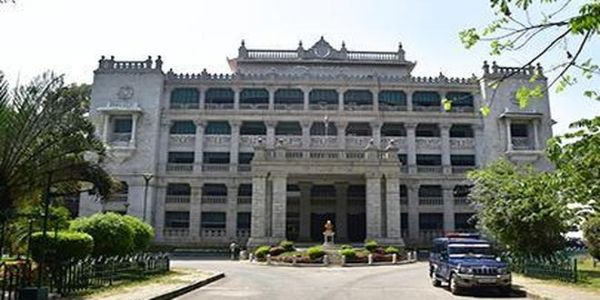
ED raids KPSC office, 20 other locations over Karnatak veterinary recruitment scam
ED raids KPSC office, 20 other locations over Karnatak veterinary recruitment scam..