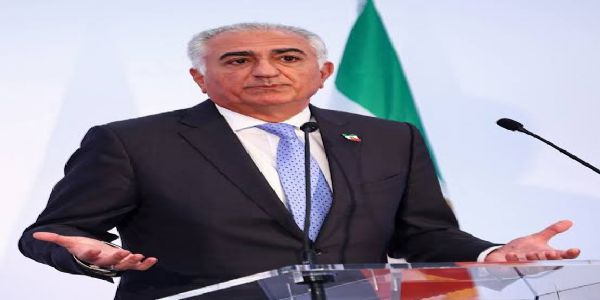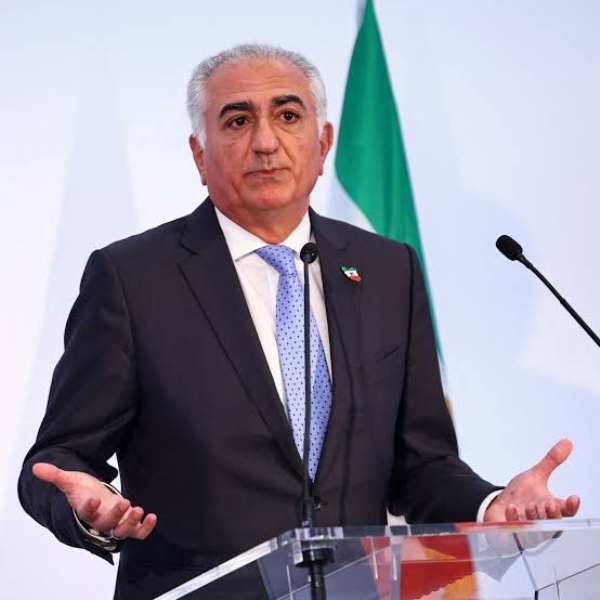
New Delhi, 17 January (H.S.): Iran's exiled Crown Prince Reza Pahlavi asserted on Friday that a future democratic Iran would pursue robust, cooperative relations with India, grounded in mutual respect for sovereignty and liberty while addressing pressing global challenges through strategic partnerships.
At a news conference, Pahlavi emphasized the historical affinity between the two nations, reminiscing about former Indian Prime Minister Indira Gandhi's visit to Iran during his youth. I was very young at the time, so the relationship goes back a long time, he remarked, lauding India's profound civilizational heritage as a shared source of pride that could naturally foster stronger bonds and collaboration.
Pahlavi identified critical planetary issues—including energy shortages, burgeoning population pressures, and escalating water crises—that necessitate enhanced international cooperation, spotlighting India's pivotal role owing to its technological prowess and expertise. He advocated extending ties into nascent domains such as renewable energy and other innovative sectors, eagerly anticipating synergies among experts, entrepreneurs, and business leaders from both countries.
I'm looking forward to have our experts, our entrepreneurs, our business sector, and anybody else working very closely with our Indian counterpart, Pahlavi declared, optimistically foreseeing an entirely new chapter post-liberation from the current regime.
This outlook draws on enduring cultural, literary, linguistic, and commercial linkages spanning centuries between Iran and India, which thrived throughout much of the 20th century before undergoing shifts following the 1979 Islamic Revolution—influenced by regional geopolitics, international sanctions, and energy imperatives.
---------------
Hindusthan Samachar / Jun Sarkar

17 Jan 2026