Miami, 16 January (H.S.): The United States has seized a sixth Venezuela‑linked oil tanker in the Caribbean Sea, deepening Washington’s bid to assert control over exports from the South American country’s vast crude reserves after the removal of former president Nicolás Maduro.
Predawn Operation Against Veronica
According to U.S. military statements carried by international media, the crude tanker Veronica was boarded in a predawn operation “without incident” as it allegedly violated President Donald Trump’s declared “quarantine” on sanctioned vessels operating in the Caribbean.
The tanker, which sails under the Guyanese flag and has previously been registered in Russia under other names, had reportedly departed empty from Venezuelan waters in early January, indicating it was part of a network moving sanctioned oil or positioning to do so.
U.S. Southern Command said only oil “coordinated properly and lawfully” would be allowed to leave Venezuela, portraying the action as part of an enforcement drive against what Washington describes as a “dark fleet” of more than 1,000 ships that move sanctioned crude outside formal channels.
Washington’s Expanding Oil Quarantine
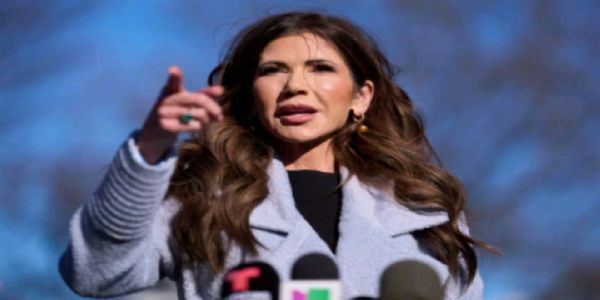
Homeland Security Secretary Kristi Noem said the operation was conducted in close coordination with the military, as well as diplomatic and law‑enforcement agencies, praising the Coast Guard for executing the boarding “in accordance with international law.”
The seizure underscores that, since U.S. strikes in Venezuela and Maduro’s capture earlier this month, the Trump administration is treating Venezuelan exports as a lever of strategic control, insisting that future shipments must flow through mechanisms approved by the interim government and Washington.
Energy‑market analysts note that the U.S. actions have sharply curtailed Venezuelan exports: only cargoes associated with Chevron and bound for the United States are reportedly moving on a relatively normal schedule, while other loadings have roughly halved to about 400,000 barrels per day.
The Veronica was said to be one of roughly 17 tankers that attempted to test the blockade earlier in the month, highlighting the financial stakes for shipowners and traders who risk lengthy delays or loss of vessel access if intercepted.
First US Sale Of Venezuelan Crude
The latest seizure comes on the heels of confirmation from a senior American official that the U.S. has completed its first sale of Venezuelan oil, worth about 500 million dollars. That transaction signals the practical implementation of Washington’s claim to manage Venezuelan crude flows in partnership with the interim authorities, and could mark the start of a broader re‑routing of oil that previously went directly to buyers such as China.
Last week, Trump reportedly urged major oil executives at the White House to invest 100 billion dollars in rebuilding Venezuela’s decayed energy infrastructure. Company representatives have indicated that any such commitment would depend on legal security, contract sanctity and the stability of the new political order, given years of under‑investment, expropriations and disputes over compensation for assets nationalised under Maduro and his predecessor, Hugo Chávez.
Dark Fleet Pressure And Market Impact
Specialists tracking tanker movements say the U.S. “quarantine” has created a bottleneck for crude that would otherwise be heading to Asian refiners, particularly in China. For owners of dark‑fleet vessels – often older ships with opaque ownership structures – the risk calculus is shifting: while detentions can mean severe financial losses when a ship intended to load crude is held idle, the crackdown heightens insurance and legal risks if they persist in sanctioned trades.
Some monitoring firms have observed that a number of tankers are now diverting to storage hubs such as the Bahamas, which could allow the U.S. and its partners to exert further control over where Venezuelan crude ultimately lands, while maintaining a measure of flexibility over sales, pricing and destination choices in a volatile geopolitical environment.
Diplomacy And Opposition Politics In Washington
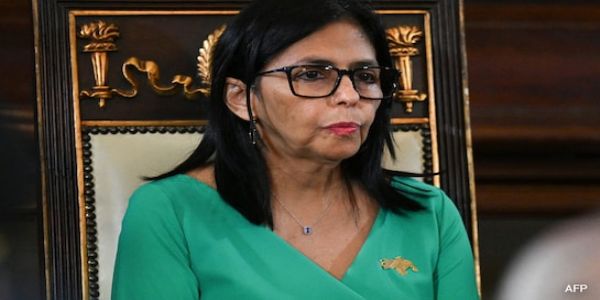
Symbolically, the Veronica seizure occurred just hours before Venezuelan opposition figure and Nobel Peace Prize laureate María Corina Machado met Trump at the White House, underscoring how oil policy and political transition are tightly interwoven. While Trump has publicly called Machado a “freedom fighter,” he has declined to endorse her as interim leader, instead backing former vice‑president Delcy Rodríguez as head of the transitional government.
The White House has described Rodríguez as “extremely cooperative,” crediting her with facilitating the 500‑million‑dollar oil sale and securing the recent release of several political detainees, including five American citizens.
A Venezuelan envoy close to Rodríguez is also expected in Washington to begin steps toward reopening the country’s embassy, indicating that the U.S. intends to formalise ties with the interim authorities even as opposition factions continue to contest how power and resources should be shared in post‑Maduro Venezuela.
---------------
Hindusthan Samachar / Jun Sarkar