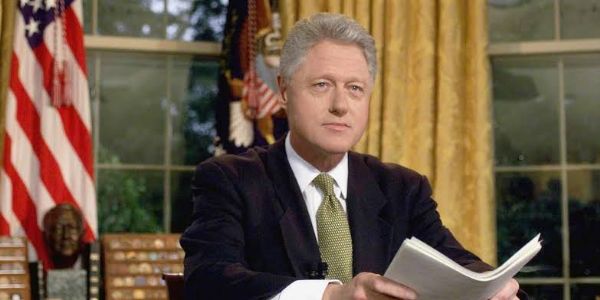
Washington, 14 January (H.S.): House Republicans initiated contempt proceedings against former President Bill Clinton on Tuesday after he failed to appear for a subpoenaed deposition in the ongoing congressional investigation into convicted sex offender Jeffrey Epstein's network and alleged cover-ups.
Subpoena Defiance and Committee Response
The Republican-controlled House Oversight Committee, chaired by James Comer, announced plans to advance criminal contempt charges next week following Clinton's no-show for a closed-door session scheduled Tuesday morning, a decision approved unanimously in a bipartisan vote.
The 79-year-old Democrat cited resistance to what his legal team described in an eight-page letter as politically motivated overreach, vowing to face consequences rather than comply.
Committee members extended similar threats to former Secretary of State Hillary Clinton, slated for testimony Wednesday but anticipated to skip as well.
Epstein Ties and Conspiracy Backdrop
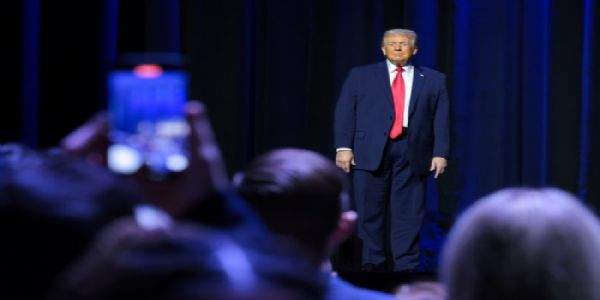
The probe examines Epstein's connections to elite figures, including the Clintons, and scrutinizes federal handling of evidence, amid outrage from President Trump's base over the Justice Department's release of just one percent of case files well past a legal deadline.
Epstein, who died in 2019 in a New York jail cell officially ruled a suicide, had acknowledged Clinton's pre-2006 flights on his private jet for foundation work but denied wrongdoing; early 2000s photos of Clinton surfaced in partial disclosures.
No evidence links either Clinton to Epstein's crimes, though conspiracy theories persist among Trump's supporters alleging murder and obfuscation.
Legal Ramifications and Political Context
Criminal contempt carries misdemeanor penalties of up to one year imprisonment and $100,000 fines, requiring full House approval before Justice Department referral, though enforcement remains inconsistent. Subpoenas issued in August also targeted figures like former FBI Director James Comey, with Clinton's sessions delayed twice previously, including for a funeral.
The Clintons' spokespeople decry selective targeting, noting offers matching other witnesses' terms; this echoes recent jailing of Trump allies for January 6 subpoena defiance, heightening stakes. Comer emphasized bipartisan origins in justifying the rare move against a former commander-in-chief.
---------------
Hindusthan Samachar / Jun Sarkar