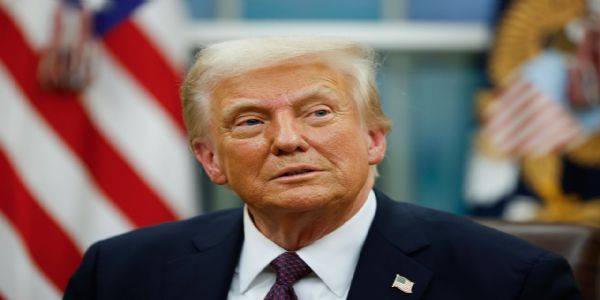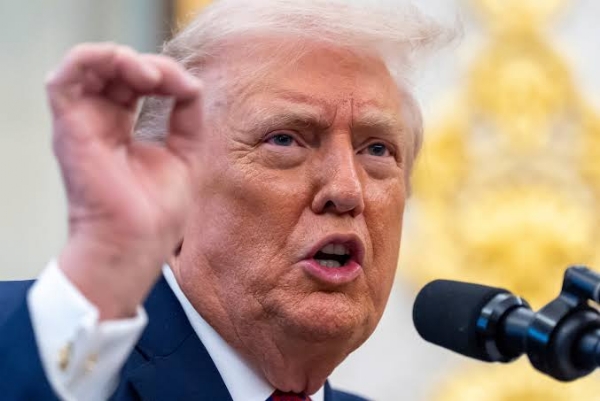
Washington DC, 19 December (H.S.): President Donald Trump signed an executive order on Thursday directing the Attorney General to expedite reclassifying cannabis from Schedule I to Schedule III under the Controlled Substances Act, marking the most substantial federal drug policy adjustment since 1970. This shift, aligning marijuana with substances like ketamine that possess moderate abuse potential and accepted medical utility, preserves federal illegality while enabling broader research and tax relief for state-licensed dispensaries.
Trump emphasized relief for patients enduring chronic pain, cancer, seizures, and veteran injuries during the Oval Office ceremony.
The directive builds on a stalled Biden-era DEA proposal from April 2024, instructing completion of rulemaking without hearings and mandating studies on cannabidiol (CBD) benefits alongside congressional collaboration for expanded access.
Currently, 39 states permit medical cannabis and 24 authorize recreational use, yet federal Schedule I status—equating it to heroin—has impeded scientific inquiry and burdened businesses with tax penalties.
Industry leaders hail the change as empowering 425,000 workers and injecting capital into a $32 billion sector.GOP Dissent Clashes with Public BackingOver 20 Republican senators, led by Ted Budd, urged Trump to reject rescheduling in a recent letter, warning it undermines economic reindustrialization, impairs judgment, and endangers public health.
House Republicans echoed concerns, decrying absent scientific proof of medical value and risks to youth perceptions. Contrasting this, a November Gallup poll reveals 64% national support for legalization, though Republican endorsement dipped 13 points.
Reclassification promises fiscal advantages for compliant enterprises while sustaining prohibitions on recreational federal sales, prompting praise from reform coalitions as a perceptual paradigm shift.
Critics, including conservative groups, fear normalization amid addiction crises, yet the order prioritizes evidence-based evaluation over outright decriminalization. As implementation advances, stakeholders anticipate enhanced therapeutic innovation without full legalization.
Hindusthan Samachar / Jun Sarkar


19 Dec 2025