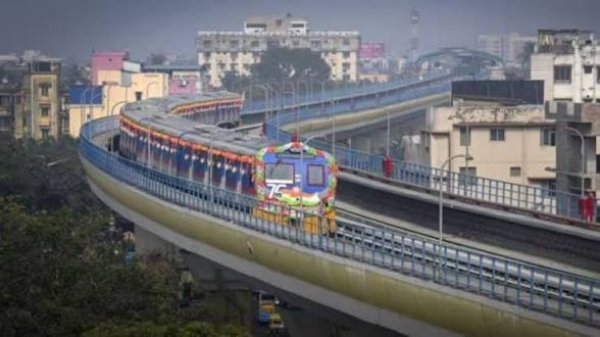
Kolkata, 09 June (H.S.) : In a significant move aimed at accelerating long-delayed infrastructure development, the West Bengal government has constituted a high-level special task force to expedite the implementation of pending railway projects across the state. The initiative is being seen as part of a broader effort to strengthen coordination between the state administration and Indian Railways, ensuring faster execution of key transport infrastructure projects.
According to sources in the state secretariat at Nabanna, the newly formed 20-member task force is chaired by Chief Secretary Manoj Kumar Agrawal. The panel brings together senior officials from crucial state departments, including Home, Transport, and Land and Revenue, along with representatives from multiple railway zones and central railway agencies.
Officials confirmed that the task force includes representatives from Eastern Railway, South Eastern Railway, Northeast Frontier Railway, Metro Railway, and the Rail Vikas Nigam Limited (RVNL). The inclusion of multiple railway zones and infrastructure agencies is intended to streamline decision-making and reduce delays caused by procedural bottlenecks. The core focus of the committee will be to address issues related to land acquisition, inter-departmental coordination, technical approvals, and on-ground execution challenges that have historically slowed down railway projects in the state.
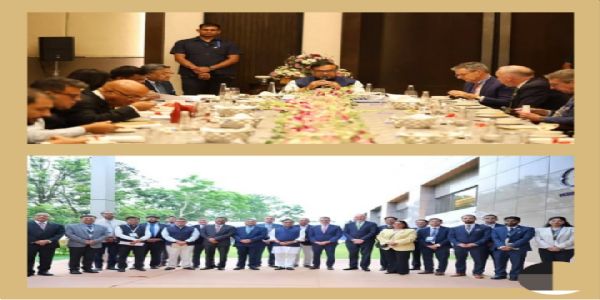
Sources added that the formation of this task force follows high-level discussions held during the recent visit of Union Railway Minister Ashwini Vaishnaw to Kolkata. During the visit, the Railway Minister reportedly held detailed meetings with the state leadership to review the status of ongoing and pending railway projects and explore ways to improve implementation efficiency through joint coordination mechanisms.
Following these discussions, Chief Minister Suvendu Adhikari announced an ambitious infrastructure roadmap, stating that railway projects worth approximately ₹1 lakh crore are expected to be implemented in the coming phase. The proposed investments are aimed at significantly upgrading railway connectivity across West Bengal, ensuring that every district is better integrated into the national rail network. The plan also includes modernization of existing railway lines, expansion of suburban rail services, and development of new connectivity corridors to improve freight and passenger movement.
The Chief Minister also took a political swipe at the previous Trinamool Congress government, alleging that prolonged differences with the central government had resulted in delays in several key infrastructure projects. He stated that such confrontations had previously affected the pace of development and emphasized that the current approach would prioritize cooperation and coordinated execution between the state government and Indian Railways.
According to government officials, the newly formed task force is expected to act as a single-window coordination mechanism between various stakeholders. It will meet regularly to monitor project progress, resolve administrative hurdles, and ensure that pending issues are addressed in a time-bound manner. The government believes that this institutional mechanism will help in accelerating project completion and improving accountability across departments.
In a parallel development that has drawn significant attention, Railway Minister Ashwini Vaishnaw also announced plans for a proposed bullet train corridor connecting New Delhi to Siliguri in North Bengal. The proposed high-speed rail route is expected to pass through major cities such as Lucknow, Varanasi, and Patna, and could potentially reduce travel time between the national capital and North Bengal to around six hours, subject to final feasibility and implementation approvals.
In addition to the bullet train proposal, the Railway Minister also outlined an expansion plan that includes the introduction of around 60 new train services in West Bengal over the next five years. These proposed services are expected to enhance both passenger mobility and freight connectivity, particularly benefiting smaller towns and semi-urban regions.
Officials believe that if implemented effectively, the combined impact of the task force-driven project acceleration, large-scale investment pipeline, and new connectivity proposals could significantly transform West Bengal’s railway infrastructure landscape over the coming decade.
Hindusthan Samachar / Satya Prakash Singh
09 Jun 2026