New Delhi, 24 May (H.S.):
The National Investigation Agency on Sunday said its probe into the Red Fort car blast case has uncovered what it described as a technically sophisticated terror module that allegedly used artificial intelligence, online platforms, and commercially available parts to design explosive devices and support the attack.
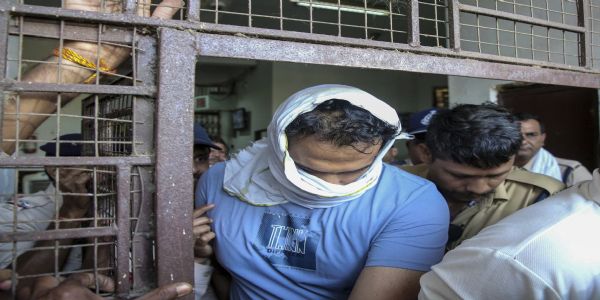
The agency’s chargesheet, filed on May 14, runs to about 7,500 pages and names 10 accused linked to Ansar Ghazwat-ul-Hind, an offshoot of Al-Qaida in the Indian Subcontinent.
According to the NIA, the accused allegedly searched YouTube and an AI platform for instructions on making rocket-type devices and mixing explosive components, a finding the agency has portrayed as “terror engineering” enabled by digital tools. Investigators also said the group fabricated and tested rocket improvised explosive devices in forested areas of Jammu and Kashmir, and that a simulation later demonstrated the ability to assemble functional devices from readily available materials.
The agency further alleged that the conspiracy involved a carefully organised support network, including medical professionals, procurement of trigger-mechanism parts through online retail orders, and planned experimentation with drones for possible weaponisation. The blast near the Red Fort on November 10, 2025, killed 11 people and left several others injured, according to the chargesheet cited in the report.
The NIA’s latest account, as reflected in the chargesheet details released in the report, is that the accused did not rely on improvised or random methods alone but followed a more systematic process involving research, device testing, and component procurement. It said one accused acted as the module’s “in-house engineer,” while others allegedly supplied materials such as fertiliser-based compounds and other items used in the preparation of explosive devices.
The agency also said the final vehicle-borne IED used in the blast was detonated using a trigger mechanism assembled from parts procured earlier, and that the explosive material was triacetone triperoxide, prepared clandestinely after experimentation. These allegations form part of the wider case the NIA has now placed before a special court in New Delhi.
The case stands out because investigators have framed it not just as a bombing inquiry, but as a example of how extremist groups may exploit ordinary digital tools, online marketplaces, and technical knowledge to build lethal capability. The chargesheet also suggests coordination across locations in Delhi, Haryana, and Jammu and Kashmir, making the matter a multi-state counterterrorism investigation.
The probe has also drawn attention because it reportedly links radicalised professionals to the alleged planning, which gives the case a “white-collar terror” dimension in official descriptions. The NIA has not only focused on the blast itself but on the broader chain of research, logistics, and device testing that it says preceded the attack.
---------------
Hindusthan Samachar / Jun Sarkar
24 May 2026
Red Fort Blast Probe Deepens as NIA Details AI Misuse, Rocket IED Tests, and a Wider Terror Conspiracy

24 May 2026