Kolkata, 9 December (H.S.): Scientists of the Zoological Survey of India (ZSI) have discovered two new species of jumping spiders in Meghalaya, marking a significant addition to India’s rich biodiversity map. Announcing the findings on Tuesday, ZSI said the newly identified species — Asemonea dentis and Colyttus nongwar — further strengthen Northeast India’s standing as a crucial part of the Indo-Burma mega biodiversity hotspot.
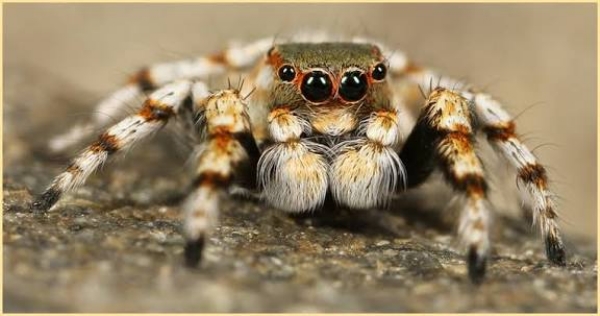
Both species belong to the Salticidae family, commonly known as jumping spiders. These spiders are distinguished by their sharp vision, swift movements, and unique hunting behaviour. Instead of spinning webs, they stalk their prey silently and capture it with a sudden leap, showcasing remarkable predatory skills.
The discoveries follow several notable findings from Meghalaya in recent months. Earlier this year, researchers documented Irura meghalaya, a brilliantly coloured species reported in May, and Thiania abdominalis, recorded in India for the first time in April. Experts say these findings confirm that the region still holds an abundance of unexplored and rare arachnid species.
Among the new discoveries, Asemonea dentis is only the third species of its genus found in India. Its name ‘dentis’ is inspired by a tooth-like projection on the male spider’s leg — a key identifying feature. Males have a greenish-brown body with a distinct V-shaped pale yellow marking on the abdomen, while females are creamy white with black patterns.
Colyttus nongwar is only the second species of its genus discovered in India. Named after Nongwar village in Meghalaya, where it was found, the species features an oval reddish-brown carapace and a light-brown abdomen highlighted by a white band at the front and five white chevron-shaped markings toward the rear. Both males and females share similar colour patterns.
The research was led by Dr. Souvik Sen and Dr. Sudhin P.P. Highlighting the significance of the discovery, Dr. Sen said, “These findings offer just a glimpse of Northeast India’s extraordinary biodiversity. Very few systematic surveys have been carried out in this region. Many more species undoubtedly remain undiscovered.”
ZSI Director Dr. Dhriti Banerjee emphasised the broader ecological importance of the findings, noting that Meghalaya’s forests, sacred groves and rugged cliffs are invaluable ecological treasures. She said discoveries like these play a vital role in documenting and preserving India’s unique natural heritage.
The complete scientific descriptions of Asemonea dentis and Colyttus nongwar have been published in the latest edition of Zootaxa, a leading journal specialising in zoological taxonomy.
---------------
Hindusthan Samachar / Satya Prakash Singh

09 Dec 2025
Congress Was the Party That Made ‘Vande Mataram’ a National Call: Kharge Hits Back at BJP in Rajya Sabha

09 Dec 2025