Thiruvananthapuram, 9 Dec (H.S.):
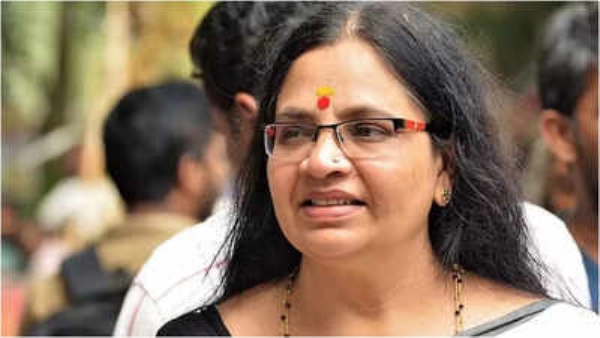
Award-winning dubbing artist Bhagyalakshmi has resigned from the Film Employees Federation of Kerala (FEFKA), strongly objecting to the moves initiated within the Malayalam film industry to facilitate the possible re-admission of actor Dileep following the recent trial court verdict in the 2017 actress assault case.
In an emotional and sharply worded statement, Bhagyalakshmi announced that she would no longer be part of any film organisation, saying she could not continue in a space that, in her view, had failed to stand decisively with survivors of violence. She said the organisations were treating the sessions court verdict as the final word, even though the legal battle is far from over.
“The final verdict can only come from the Supreme Court of India. Until then, how can anyone declare that he is completely innocent and rush to bring him back into positions of power within the industry?” she asked.
Her resignation followed public remarks by FEFKA General Secretary B Unnikrishnan, who reportedly said that Dileep’s expulsion from the organisation in the aftermath of the case was done in haste and that he could be taken back if he submitted a written request. Similar views were also expressed by Producers’ Association representative B Raghesh. These statements triggered strong backlash from women’s rights activists and members of the film fraternity.
Bhagyalakshmi, who had earlier been part of efforts to build platforms that claimed to support women in cinema, said she had reached a breaking point. “If an organisation that I helped shape can no longer stand with survivors, then there is nothing left for me to do there,” she said.
She further alleged that three major cinema organisations had effectively declared that they would not stand with survivors and were instead aligning themselves with individuals who hold money and influence. “They are ready to welcome him back at lightning speed. They are just waiting for a letter from him. Not a single one of them has spoken to the survivor, comforted her, or stood by her side,” Bhagyalakshmi said.
Condemning what she described as moral double standards, she added, “How can anyone claim to walk with both the victim and the accused at the same time? What kind of ethical bankruptcy is this?”
Bhagyalakshmi’s dramatic exit has once again brought the Malayalam film industry’s internal power dynamics, accountability, and the treatment of survivors into sharp public focus, even as the broader legal process continues.
---------------
Hindusthan Samachar / Arun Lakshman